



When I open a finance app, I am not looking for flashy design first. I want to know what I can see, what I can control, and how carefully the app handles information that could affect my financial life. TransUnion® approaches that job as a personal credit companion, bringing scores, reports, and selected offers into one mobile experience. I found it most useful when I treated it as a monitoring and education tool rather than as a complete replacement for every financial service I use.
The app is free, aimed at everyone, and developed by TransUnion Interactive, Inc. Its presence is substantial, with more than a million installs, although its average rating sits at 3.2 from roughly eight thousand ratings. That combination tells me something important: many people find the service useful enough to keep, but the experience is not universally smooth. I would install it with realistic expectations, especially if I need a quick way to review credit information without paying for a separate subscription.
What I found when using the credit-focused experience
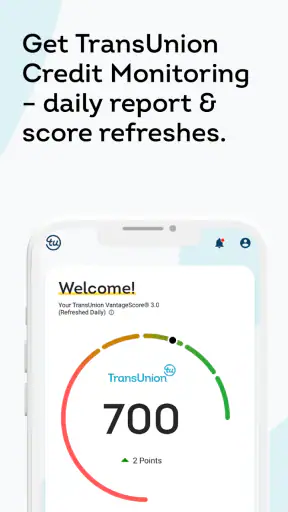
The first useful distinction is between checking information and changing financial outcomes. This app can help me understand what is being shown about my credit profile, but it cannot instantly repair an error, guarantee approval, or replace responsible borrowing habits. That sounds obvious, yet finance apps can make monitoring feel more powerful than it really is. I prefer TransUnion® when I want a regular checkpoint: open the app, review the available score and report information, and decide whether anything deserves closer attention.
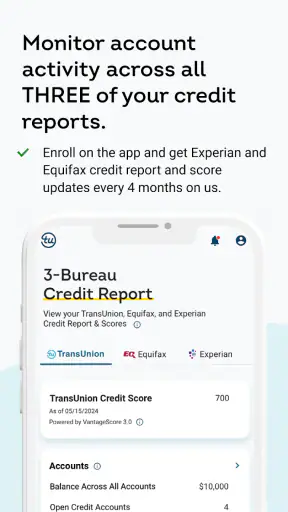
The store summary focuses on scores, reports, and offers, and that is a fair description of the app’s central purpose. The score gives me a quick snapshot, while the report is more valuable when I need to investigate the details behind that snapshot. An offer can be relevant in context, but I would not treat it as a personal recommendation from a financial adviser. I read those suggestions as commercial options to evaluate carefully, not as instructions about what I should apply for.
The current version is 5.8.0 and the app requires operating system version 10 or later. That requirement matters before downloading: anyone using an older phone may need a different way to access their information. The app was released on January 8, 2014, so it has had a long presence in the mobile finance space. Longevity can make a service feel familiar, but I still judge it by the controls and clarity I can use today rather than by how long it has existed.
Trust starts with knowing what I am actually reviewing
Credit information is sensitive because it can influence lending decisions, housing applications, insurance-related processes, and other important moments. I therefore avoid opening this kind of app casually on a shared device. Before signing in, I check that I am using my own phone profile, that the screen is not being recorded, and that I am not connected through an unfamiliar environment. Those are simple habits, but they matter more here than a polished interface.
I also separate three questions that are easy to mix together. First, is the information displayed accurately? Second, is the score the same one a lender will use? Third, what action should I take next? TransUnion® helps with the first two only to the extent that the available account information and scoring context explain them. It does not remove the need to read the report carefully or confirm important details through the organization making a financial decision.
My main trust test is whether the app helps me inspect information without pressuring me into an immediate financial choice. In that respect, I find the report view more meaningful than the promotional side of the experience. A user who only glances at a score may miss the practical value of checking account details, unfamiliar activity, or changes that deserve documentation.
How I would use the report in an everyday situation
Imagine I am preparing to rent a new apartment. Instead of waiting until an application is submitted, I would open the app several days earlier and review the report calmly. I would look for accounts I recognize, balances that seem plausible, and recent activity that I can explain. If something looks wrong, I would save the relevant details and contact the appropriate party rather than assuming that pressing a button inside a mobile app will solve everything instantly.
That workflow is more useful than checking the score repeatedly. A score can move for reasons that are not obvious from a quick glance, while the report gives me a better starting point for asking questions. I would also avoid making a new credit application simply because an offer appears attractive. The right decision depends on the terms, my budget, and whether I need the product at all.
A second practical use is preparing for a conversation with a lender. I can review the information beforehand and identify questions instead of being surprised during the conversation. However, I would not assume that the number shown in the app will match every lender’s model. Scores can be calculated in different ways, so I use the app as a reference point and not as a promise about an approval result.
Controls and choices deserve more attention than convenience
With a finance app, I pay attention to account controls before I become dependent on it. I want to know how easily I can sign out, whether I can stop using the service without leaving the app installed, and whether I can distinguish essential account activity from optional promotional material. I also keep my login details private and avoid sharing screenshots that reveal identifying information.
The most responsible way to use TransUnion® is to make deliberate choices during setup and whenever the app presents an offer or account prompt. I do not tap through screens automatically. I read what a request is for, decide whether it is relevant to my goal, and decline anything that does not help me monitor my credit. This approach gives me more agency than treating every prompt as part of a mandatory path.
That user-controlled approach is especially important because the app combines monitoring with offers. Those two functions can sit next to each other without serving the same purpose. Monitoring helps me understand my situation; an offer asks me to consider a financial product or service. I keep those decisions separate. If I am only checking my report, I do not let a convenient-looking suggestion turn into an application unless I have compared the terms elsewhere.
I would also review the device’s permission controls before and after installation. I only grant access that is clearly needed for the task I want to perform, and I revisit permissions after updates. This is not a claim about a particular permission set; it is a practical rule I follow with any app that handles personal financial information. The operating system’s privacy controls are an important second layer of user choice.
Where data sensitivity changes the way I use it
Credit monitoring is not like checking a weather app. The information is personal, and the consequences of exposing account details can be serious. I avoid using the app over public Wi-Fi when I can use a trusted connection instead. I also keep the phone’s operating system updated, use a screen lock, and never send login codes or account screenshots to another person.
If I notice an unfamiliar item, I do not immediately conclude that fraud has occurred. I first check whether the name could belong to a company operating under a different billing name, whether the timing makes sense, and whether a joint or older account explains it. If the concern remains, I document what I saw and follow the relevant dispute or support process. The app can be a place to notice a problem, but investigation may require communication outside the app.
This is one of the less obvious trade-offs: convenience can encourage shallow checking. A quick score screen is easy to understand, while a report demands patience. For that reason, I schedule a proper review when I have enough time and privacy. I do not use a rushed glance before an important appointment as my only check.
I am also cautious about notifications. Alerts can be useful when they draw attention to a change, but too many notifications can make a sensitive app feel intrusive or encourage me to open it in unsuitable places. I adjust notification behavior through the phone and account settings according to what I actually need. A quiet, intentional monitoring routine is better for me than constant checking.
How it compares with familiar alternatives
The usual alternative is a bank or card app that shows a credit score alongside spending, balances, and payments. That can be more convenient if I already manage most of my money there, because I avoid another login. The drawback is that a bank’s credit feature may be limited in scope or may not present the same report-focused experience I want when investigating an issue.
Another alternative is a dedicated credit-monitoring service with broader identity or alert features. That may suit someone who wants a larger security dashboard, but it can also introduce more notifications, more decisions, or a paid tier. TransUnion® is more appealing to me when the priority is direct access to TransUnion-related credit information in a focused finance app, without starting with a subscription price.
Free score tools from other providers can also be useful for general awareness. I would not compare the numbers as if they were interchangeable. The important question is not which app displays the highest score; it is whether I understand the scoring context, the report details, and the action I need to take. Using multiple services can create confusion if I do not label each score by source and date.
For someone who wants budgeting, bill negotiation, investment tracking, or a complete household money dashboard, this is probably not the best single app. Its value is narrower. I would pair it with a budgeting tool or a bank app only when I understand why each service is installed and what information I am giving each one.
Who will benefit, and who should skip it
I think the app is a good fit for a person who wants a free way to keep credit information within reach, especially before applying for housing, financing, or another service where credit may matter. It can also help someone who is learning how reports work and needs a regular place to build the habit of reviewing them. The report-oriented mindset is more useful than simply chasing a higher number.
It is less suitable for a user who expects instant dispute resolution, personalized financial planning, or a guaranteed lender outcome. It is also not my first choice for someone who already has a trusted financial dashboard that provides the exact credit information they need and who wants to minimize the number of apps holding personal data.
People who are uncomfortable managing another account should think about the practical burden before installing it. A finance app is only helpful if I can keep access secure, recognize legitimate messages, and respond thoughtfully when something seems wrong. If I would ignore the report and tap through offers, the app is unlikely to improve my financial decisions.
My cautious verdict after weighing convenience against control
TransUnion® is a useful, focused finance app when I use it as a window into credit information rather than as a financial decision-maker. Its free access lowers the barrier to routine monitoring, and its combination of scores, reports, and offers gives me a convenient starting point. The long-running product and broad adoption make it easy to consider, but the modest average rating is a reminder to expect some friction rather than a flawless experience.
I would recommend it to a friend who wants to inspect credit information before an important application and who is willing to read details carefully. My advice would be to keep promotional choices separate from monitoring, review device permissions, protect the account like any other sensitive service, and record suspicious information before taking action. Those habits make the app more valuable than simply opening it whenever curiosity strikes.
My final judgment is cautiously positive. I would install it for focused credit awareness, not for budgeting or complete financial management. If the available controls feel clear on my device and the report supports the questions I need to answer, it earns a place in my routine. If I need broader privacy controls, a different scoring source, or a full money-management system, I would choose an alternative that matches that specific need instead.


